
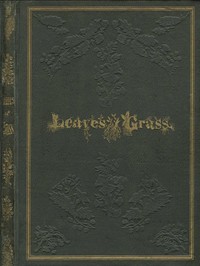
Leaves of Grass by Walt Whitman
Let's get this out of the way: 'Leaves of Grass' doesn't have a plot. If you're looking for a beginning, middle, and end, you won't find it here. What you get instead is a voice—Walt Whitman's voice—pouring out in a series of poems. He calls it a 'song of myself,' and that's exactly what it is. He wanders through America, from crowded city streets to quiet country fields, pointing at things and saying, 'Look! Isn't this amazing?' He sings about his own body, about train conductors and prostitutes, about the scent of hay, about death, and about the ocean. The 'story' is the journey of a man trying to connect with every person, every experience, and every blade of grass he sees, and inviting you to come along.
Why You Should Read It
You should read this because it’s the most optimistic book ever written, but not in a naive way. Whitman saw the Civil War's horrors and the grit of industrial life, yet he still chose joy and connection. His central idea is that we are all linked, part of one big, breathing whole. When he says 'I contain multitudes,' he means it, and he means you do, too. It’s permission to be your whole, complicated self. The language is direct and powerful. It feels modern, even though it's 170 years old. Some parts are so intimate they might make you blush; others are so grand they'll give you chills. It’s a book that makes the ordinary feel sacred.
Final Verdict
This is the perfect book for anyone feeling disconnected, cynical, or just a bit lost. It’s for the daydreamer who stares out the bus window, for the person who needs a reminder of their own worth, and for poetry-curious readers who think classics are stuffy. Fair warning: His style is repetitive and sprawling on purpose. It’s not a quick, easy read. Dip in and out. Let a few lines sink in. You might not love every page, but I bet you’ll find at least one poem that feels like it was written just for you. Keep it on your shelf. You’ll need it again.
This is a copyright-free edition. You can copy, modify, and distribute it freely.


Margaret Miller
4 months agoA brilliant read that I finished in one sitting.