
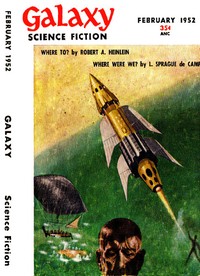
Conditionally Human by Walter M. Miller
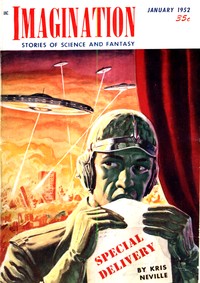
Walter M. Miller, best known for his epic A Canticle for Leibowitz, shows his mastery of the smaller, more intimate story in this thought-provoking novella. First published in 1952, its questions about artificial life and ethics feel startlingly relevant today.
The Story
In a crowded future, real animals are illegal. To fill the need for companionship, the government creates the 'Conditionals'—bio-engineered creatures that look and act like pets but are officially just property. Norris works for the Animal Welfare Board, a job that mostly involves destroying 'conditionals' that have outlived their usefulness or been mistreated. His worldview is clinical and detached, until he's sent to evaluate a 'conditional' dog named Terry. Terry's owners insist he's different—that he shows real fear, affection, and even a will to live. Norris, the ultimate skeptic, is tasked with proving them wrong and putting Terry down. But the closer he gets, the more his certainties begin to crack.
Why You Should Read It
This isn't a story about robots taking over. It's a story about a man taking a hard look in the mirror. Miller uses Norris's cold, bureaucratic perspective brilliantly. We see the world through his rulebook, which makes his gradual doubt so powerful. The real tension isn't in action scenes, but in quiet moments: a dog's whimper, a child's tear, the weight of a government-issued euthanasia kit. It asks uncomfortable questions about how we define life and where we draw the line between a convenient tool and a being with rights. Is consciousness something we can engineer away? The power of the story is that it doesn't give easy answers; it just makes the question impossible to ignore.
Final Verdict
Perfect for readers who love classic sci-fi that prioritizes big ideas over laser battles. If you enjoyed the moral puzzles in stories like Philip K. Dick's 'Do Androids Dream of Electric Sheep?' or the quiet humanity of Ray Bradbury's work, you'll find a lot to love here. It's a compact, potent read—you can finish it in an afternoon, but it'll stick with you for much longer. Just maybe don't read it right before cuddling your own dog or cat; it might make that moment feel a lot more profound.
You are viewing a work that belongs to the global public domain. You can copy, modify, and distribute it freely.





Paul Garcia
1 month agoI came across this while browsing and the flow of the text seems very fluid. One of the best books I've read this year.