
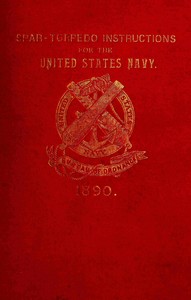
Spar-torpedo instructions for the United States Navy
Let's get straight to it. This isn't a novel. 'Spar-Torpedo Instructions for the United States Navy' is exactly what the title promises: a technical manual. Published in the late 19th century and authored mysteriously by 'Unknown,' it provides detailed, step-by-step guidance on building, arming, and deploying a spar-torpedo. This weapon was a long pole (the spar) mounted to the bow of a small boat, with an explosive charge at its end. The tactic? Steer your fragile craft directly into an enemy warship, detonate the charge, and hopefully survive the blast and the resulting chaos.
The Story
There's no traditional plot. The 'story' is the manual itself. It walks you through everything: the exact specifications for the wooden spar, how to waterproof the explosive charge, the trigger mechanisms, and the recommended tactics for attack. The text is dry, technical, and utterly serious. The most gripping part is reading these calm, procedural sentences describing a maneuver of incredible danger. It outlines the ideal angle of approach, the moment of detonation, and the desperate retreat. The tension comes from the gap between the manual's clinical tone and the horrifyingly personal violence it describes.
Why You Should Read It
You read this for the raw, unfiltered glimpse into history. Novels and documentaries talk about bravery and strategy; this manual shows you the how. It removes all romance from naval warfare. Holding this book, you're holding the same instructions a young sailor might have studied before a nighttime raid. It makes history tactile and immediate. The anonymity of the author adds a layer of intrigue—was this written by a seasoned officer, a brilliant engineer, or a clerk transcribing notes? That mystery lets your imagination fill in the blanks about the people behind these deadly words.
Final Verdict
This is a niche read, but a powerful one. It's perfect for history buffs, military enthusiasts, or anyone tired of glossy historical fiction. If you love primary sources, artifacts, and seeing the gritty mechanics of the past, you'll be captivated. It's also great for writers looking for authentic period detail. It’s not a book you read for fun in the usual sense; it's a book you experience. You'll come away with a profound, unsettling respect for the ingenuity and desperation of a bygone era of war. Just be prepared—it sticks with you.
This text is dedicated to the public domain. It is now common property for all to enjoy.
Thomas Davis
1 year agoIt’s refreshing to see such a high standard of digital publishing.
Elizabeth Martin
11 months agoVery satisfied with the depth of this material.
Matthew Hernandez
1 year agoA must-have for graduate-level students in this discipline.
George Lee
7 months agoThe research depth is palpable from the very first chapter.







Barbara Hernandez
6 months agoHaving read the author's previous works, the way it challenges the status quo is both daring and well-supported. It’s hard to find this much value in a single source these days.